Study Skills Routines: Focus, Memory & Exam Week Plan

Study Skills Mastery Guide: Practical Routines for Focus, Memory, and Better Test Results
Stronger study results come from a repeatable system: clear goals, focused work blocks, active recall, and simple review cycles. The goal isn’t to “study longer”—it’s to study with fewer decisions, less distraction, and more testing from memory. Below is a practical routine that works across subjects (math, history, languages, science), plus an exam-week rhythm and a printable-style checklist to keep sessions consistent when life gets busy.
A simple system: plan, focus, retrieve, review
Most study frustration comes from vague tasks (“study chapter 6”) and passive habits (re-reading, highlighting). Replace that with a four-step cycle you can repeat every time.
- Plan: define the next measurable outcome (finish 20 practice questions, outline one chapter, memorize 30 terms).
- Focus: remove friction (phone out of reach, single-tab rule, tidy desk, timer on).
- Retrieve: test knowledge from memory first (blank-page recall, practice problems, self-quizzing).
- Review: fix mistakes immediately, then schedule short spaced reviews (same day, 2 days, 1 week).
- Keep it startable: 10-minute setup, 25–50 minutes work, 5–10 minutes review.
Study cycle map (what to do before, during, and after each session)
| Stage | Time | What to do | Output to keep |
|---|---|---|---|
| Pre-study setup | 5–10 min | Choose one target task, gather materials, write a “done” definition | Single-sentence goal + materials list |
| Deep work block | 25–50 min | Active learning only: problems, flashcards, teaching-out-loud, recall | Work completed + notes on what felt hard |
| Quick check | 5 min | Mini-quiz: 3–5 questions without notes; mark gaps | Gap list (topics to revisit) |
| Fix and simplify | 10–15 min | Correct errors, create 3–10 flashcards or a short summary | Flashcards / summary sheet |
| Schedule review | 1–2 min | Pick next review dates and add to calendar/task list | Review plan (same day + spaced) |
Focus tools that reduce distraction fast
Focus isn’t a personality trait—it’s usually an environment and workflow problem. Make it easier to start and harder to drift.
- Environment reset: study in one consistent spot; keep only the current materials visible.
- Timeboxing: use 25/5, 45/10, or 50/10 blocks; stop on the timer to protect stamina.
- Task slicing: convert “study chapter 6” into actions (make 10 flashcards, answer 15 end-of-chapter questions).
- Low-motivation start: commit to a 5-minute “just begin” rule; momentum often follows once friction is removed.
- Attention hygiene: silence notifications, use a website blocker if needed, and give each block one purpose.
A small but powerful rule: if you catch yourself rereading, switch to a retrieval format immediately (blank page, flashcards, or a short quiz). That single pivot prevents “time spent” from masquerading as learning.
Study methods that create durable learning
Durable learning comes from retrieval and spacing, not repeated exposure. Research-backed strategies like retrieval practice and spaced practice consistently outperform passive review (APA overview of retrieval practice; Learning Scientists on spaced practice).
- Active recall: close notes and write everything remembered; then check and correct.
- Practice testing: do mixed problem sets or quizzes; prioritize questions that reveal misunderstandings.
- Spaced repetition: revisit material briefly across multiple days instead of one long session.
- Interleaving: rotate related topics (e.g., algebra + geometry; vocab + reading questions) to strengthen flexible recall.
- Elaboration: connect new ideas to prior knowledge using “why/how” questions and concrete examples.
To make this concrete, try a “two-pass” session: first pass is 10–15 minutes of recall (no notes), second pass is targeted practice on whatever you missed. This keeps your time aimed at the real gaps.
Memory techniques that stick (without cramming)
Cramming can feel productive because recognition goes up, but recall under pressure often drops quickly. The “forgetting curve” is why short, spaced refreshers beat last-minute marathons (Britannica overview of the forgetting curve).
- Chunking: group information into meaningful sets (dates by era, terms by category, formulas by use-case).
- Mnemonics: create phrases, acronyms, or vivid imagery for sequences and lists.
- Dual coding: pair words with simple visuals (diagrams, timelines, concept maps) to deepen recall.
- Teaching method: explain the concept aloud in plain language; gaps show up fast.
- Error log: keep a running list of mistakes and the corrected reasoning—review it before quizzes and exams.
A realistic exam-week plan (even with limited time)
7-day exam-week rhythm (adjust to your schedule)
| Day | Main focus | Minimum output |
|---|---|---|
| Day 1 | Plan + diagnose weak areas | Topic priority list + baseline quiz results |
| Day 2 | Hardest topic deep work | One practice set + error log entries |
| Day 3 | Second-hardest topic + spaced review | Flashcards updated + 15–30 min review of Day 2 errors |
| Day 4 | Mixed practice (interleaving) | Two short mixed sets + corrected solutions |
| Day 5 | Timed practice | One timed section + reflection on pacing |
| Day 6 | Light review + teach-back | Teach-back notes + top-10 traps list |
| Day 7 | Final refresh + rest | 30–60 min recall + early bedtime |
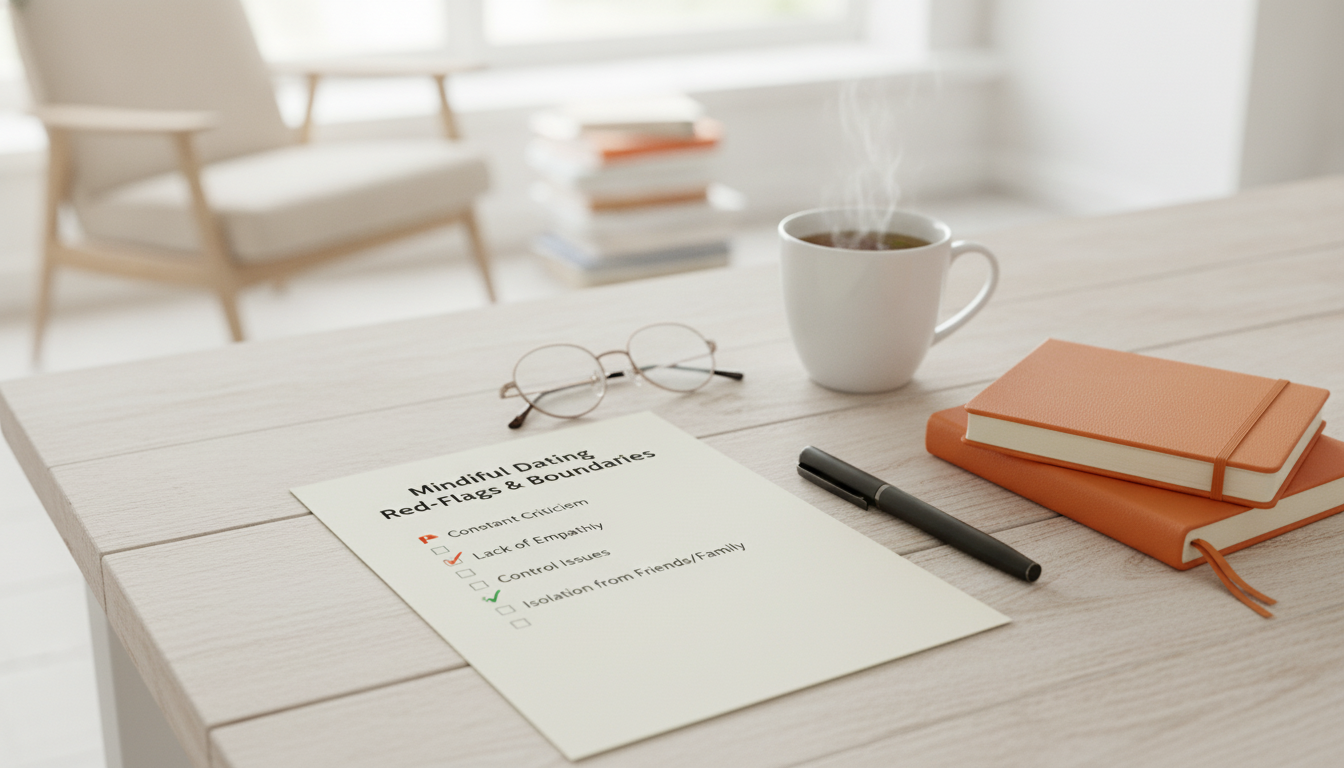
Printable-style checklist to keep every session on track
Digital guide option for structured routines and ready-to-use pages
If you want a single place to run your routine—planning, focus blocks, error logs, and spaced review dates—a digital template can keep your system consistent across classes. The Study Skills Mastery Guide | Digital Study Guide, Learning Strategies eBook, Focus Tips, Study Methods, Memory Techniques, Study Checklist PDF is built for repeatable sessions, especially when you need structure quickly during a heavy week.
For families supporting younger learners, a separate reading routine can complement study time. The Educational Storybook for Growing Minds | Kids eBook | Digital Download | Imaginative Stories with Lessons | Learning Story Collection PDF can help build daily reading stamina, vocabulary exposure, and discussion habits that make later studying easier.
FAQ
What are study skills and examples?
Study skills are repeatable habits and techniques that help you learn efficiently and perform well on assessments. Examples include time management, goal setting, note-taking systems, active recall, spaced repetition, practice testing, and distraction control.











Leave a comment