7 Proven Memory Techniques Students Can Use to Recall More

What are the 7 memory techniques for students to boost learning and recall?
Students can improve learning and recall by combining proven memory strategies that strengthen understanding, storage, and retrieval. Here are seven techniques that work well for most subjects and grade levels.
1) Active recall
Instead of rereading, close the book and try to retrieve key ideas from memory—through practice questions, flashcards, or writing what you remember. Retrieval makes memories easier to access on exams.
2) Spaced repetition
Review the same material in short sessions spread over days and weeks. Spacing beats cramming because each revisit reactivates and reinforces the memory.
3) Interleaving
Mix related topics or problem types within a study session (for example, alternating algebra skills rather than doing one type for an hour). This trains the brain to choose the right method under test conditions.
4) Chunking
Group information into meaningful units—steps in a process, categories, or patterns. Chunking reduces mental load and helps details “stick” as part of a bigger structure.
5) Mnemonics and memory cues
Use acronyms, acrostics, rhymes, or the method of loci (placing ideas along a familiar route). These cues create an extra pathway to recall when you’re under pressure.
6) Elaboration (teach it, explain it, connect it)
Ask “why?” and “how does this relate?” Then explain the concept out loud as if teaching a friend. Connecting new info to prior knowledge makes it more durable.
7) Dual coding
Pair words with visuals: diagrams, timelines, concept maps, or simple sketches. Two formats (verbal + visual) create more retrieval hooks than text alone.
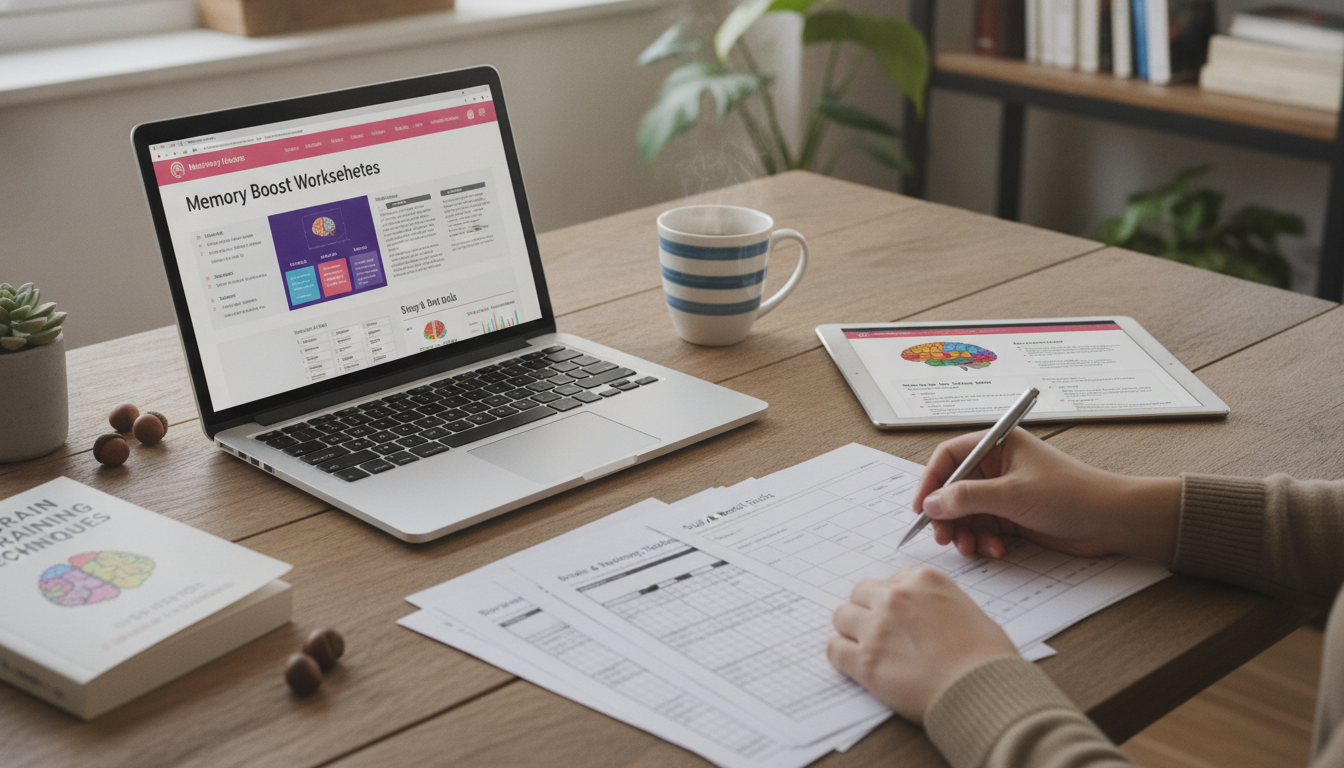
For ready-to-use practice that supports these techniques—especially active recall and spaced review—see the guide here: memory boost worksheets and recall drills.
For 7 Proven Memory Techniques Students Can Use to Recall More, the best answer depends on fit, material, care instructions, and how the product will be used day to day.
FAQ
How can I study effectively when I only have 30 minutes?
Do 20 minutes of active recall (quiz yourself or do practice problems), then spend 10 minutes checking answers and writing a short “what I missed” list to review tomorrow.











Leave a comment